
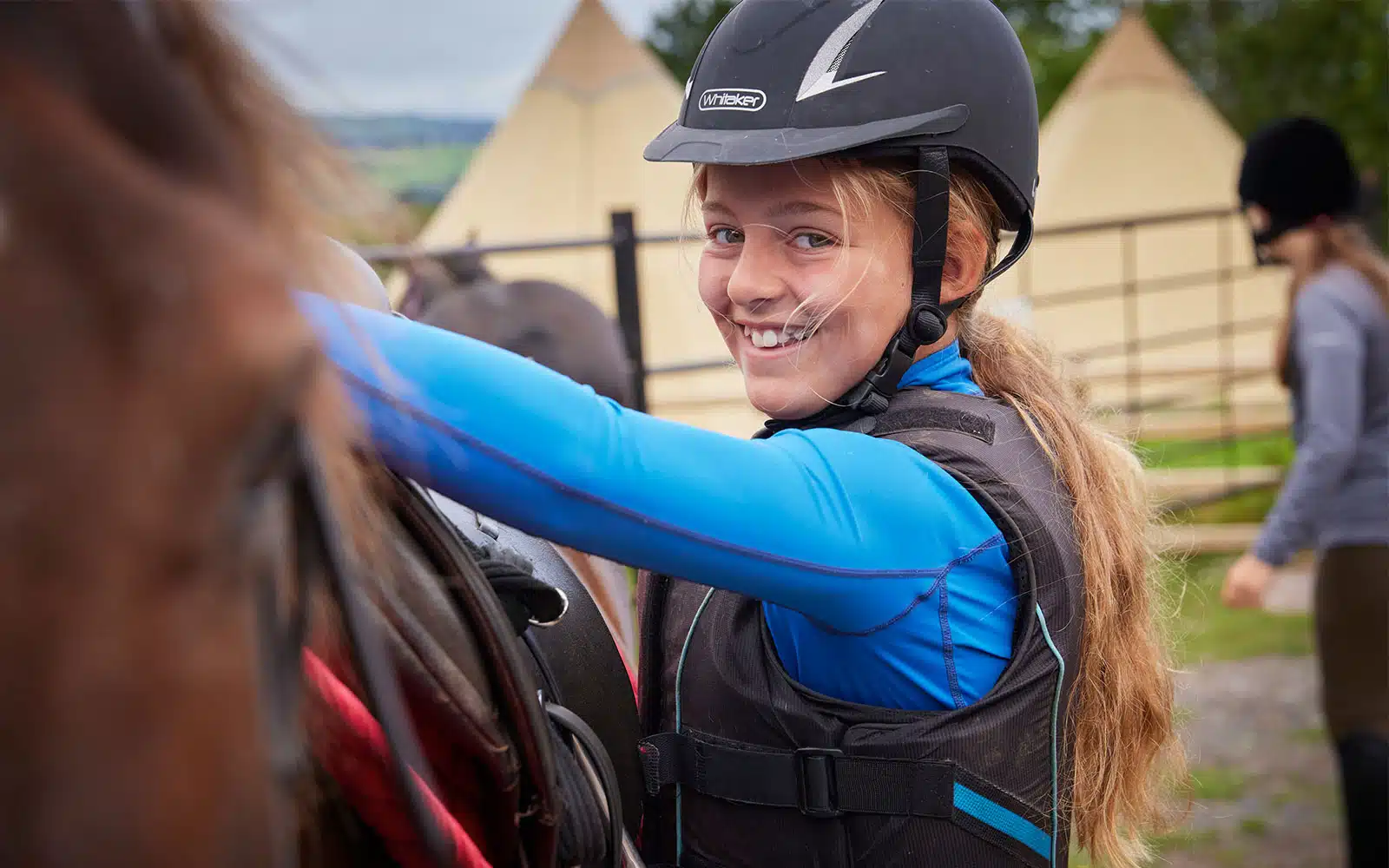
Ask any experienced rider what separates a good horseperson from a great one, and chances are stable management will come up pretty quickly. Yes, riding skills get a lot of the glory, and of course, nailing a canter transition is super satisfying, but the real foundation of horsemanship is what happens on the ground, before you ever put your foot in a stirrup.
If your child is getting into horses, understanding stable management is just as important as learning to ride. It’s how they’ll learn to read a horse’s mood, keep an animal healthy and happy, and develop a genuine bond built on trust and care. It’s also where some of the most character-building moments happen. So, what is stable management exactly? And what does it involve? Let’s explore…
What is Stable Management?
At its core, stable management is the day-to-day care and upkeep of horses and their environment. It covers everything from feeding and grooming to mucking out stables, checking for injuries, and understanding a horse’s health and well-being. Essentially, it’s everything that keeps a horse comfortable, healthy, and ready.
No matter whether they’re a weekend rider or an aspiring competitor, stable management is non-negotiable. It’s not the glamorous side of equestrianism, but it is the most important. A well-managed stable is a happy stable and a happy horse.
Stable management is also recognised formally within the equestrian world. The British Horse Society (BHS) and Pony Club both include stable management as a core element of their training and examination programmes
Why Stable Management Matters for Young Riders
For children and young people getting into horses, learning stable management early has benefits that go way beyond just the yard.
It Builds Responsibility
Horses need care every single day (twice a day in most cases). Whether that’s rain, shine, school holidays, or Christmas morning. Learning that an animal depends on you is a powerful lesson in commitment too!
It Develops Empathy and Observation
Good stable management requires you to really look at a horse. Understand it. Notice the small things. Do they seem quieter than usual? Are they not finishing their food? These are all skills that translate into becoming a more sensitive and attentive rider.
It Teaches Practical Life Skills
Organisation, time management, physical work, problem-solving — stable management asks for all of these. Young people who spend plenty of time at the stables or a yard really develop a can-do attitude.
It Deepens the Bond with Horses
Horses are perceptive animals. They notice who feeds them, who grooms them gently, who handles them with confidence and calm. This isn’t just chore work. It’s time spent building trust that really shows up when in the saddle.
Key Areas of Stable Management
Mucking Out
This is the one everyone hears about first. Mucking out means removing droppings and soiled bedding from a stable, topping up with fresh bedding, and leaving the space clean and comfortable for the horse. It’s done at least once a day and requires a good eye for what needs to go and what can stay.
Usual bedding types include straw, shavings, and rubber matting, with each needing to be managed differently. Getting familiar with these early helps young riders understand why cleanliness matters
Feeding and Watering
Horses have complex nutritional needs, and feeding is one of the most important aspects of stable management. The golden rule is that horses should be fed little and often, reflecting how they’d naturally graze in the wild. Fresh, clean water should always be available. Did you know that horses drink between 20 and 55 litres of water per day on average?
Feed types vary depending on the horse’s workload, age, and condition. This could include hay and haylage for forage, and hard feeds like nuts or mixes.
Understanding the basics of equine nutrition is a key stable management tip that any young rider will benefit from learning early.
Grooming
Grooming isn’t just about making a horse look smart. It’s a health check, a bonding exercise, and a practical necessity rolled into one. A good grooming routine involves brushing off mud and dirt, picking out hooves (to prevent stones and infections), checking for cuts or swelling, and keeping the coat, mane, and tail in good condition.
For young riders, grooming is often where their relationship with a specific horse really begins. It allows for some quiet time that horses seem to appreciate.
Tacking Up and Untacking
Knowing how to correctly put on and remove a saddle and bridle is a fundamental stable management skill. A saddle that’s fitted wrong can cause discomfort or even injury to the horse, so it’s vital that this is properly checked and carried out in the right order. After riding, untacking is often followed by a thorough check of the horse and tack cleaning.
Health Checks and Knowing What’s Normal
One of the most valuable stable management tips for beginners is simply learning what “normal” looks like for a horse. This means understanding their usual temperature (around 37.5°C), resting heart rate (28–44 beats per minute), and breathing rate. Then it’s much easier to spot when something seems a little off.
Stable Maintenance and Safety
Aside from the horse, stable management includes keeping the yard clean, tidy, and safe. This means storing hay and feed correctly, ensuring water buckets and troughs are clean, checking fencing and field conditions, and being mindful of fire safety. It’s also beneficial to adopt some good yard habits, including putting tools away, closing gates, and not leaving baling twine lying around.
Stable Management Tips for Beginners
If your child is just starting out, here are a few simple stable management tips to help them get off on the right foot:
Start with Observation
Before doing anything independently, encourage them to watch and learn from experienced handlers. How do they approach the horse? How do they move around them? There’s a lot to know just by watching.
Learn the Horse’s Routine
Horses are creatures of habit, and they tend to do best when fed, turned out, and brought in at consistent times. Understanding this helps young riders plan around the horse’s needs, which is a selfless act and a wonderful skill to have for life in general.
Always Let the Horse Know You’re There
Approaching a horse quietly but confidently from the front or side, and never sneaking up behind, is basic but essential stable safety to make sure nobody gets hurt.
We don’t want to spook any horses!
Master the Basics Before Moving On
Mucking out, grooming, and tacking up might feel repetitive, but doing them consistently and well is how people develop confidence in these tasks and improve on them too.
Ask Questions
No experienced horse person expects a beginner to know everything. The best yards are full of people who love to share knowledge by encouraging curiosity. It’s fantastic to ask questions.
Ready to Put it into Practice? Try a PGL Pony Camp
Our PGL specialist pony camps give young riders the chance to experience real, hands-on horse care in a safe, structured, and brilliantly fun environment.
The Pony Beginner Camp is ideal for first-timers aged 8–13 who want to learn the ropes from the ground up, including the basics of horse care alongside their riding lessons. For those with some experience already, the Pony Improver Camp develops those skills further, building genuine confidence around horses both in and out of the saddle. Both of these incredibly epic adventures combine expert instruction with the full PGL residential experience. Enquire today!